What to Wear and Bring to a Sports Massage Aurora CO Session
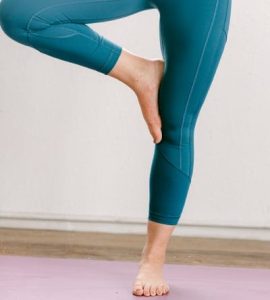


Walking into a sports massage appointment for the first time can feel oddly similar to showing up for a race packet pickup or a first training session. You know you are there for a clear purpose, but the small details can make you second guess yourself. Should you wear gym clothes or regular clothes? Do you need to bring water, medical notes, or a change of shirt? Will the therapist expect you to strip down completely, or can you stay mostly dressed?
Those questions come up all the time, especially for active adults who want treatment to feel efficient and straightforward. A sports massage is not a spa day wrapped in eucalyptus and vague promises. It is usually practical, targeted work meant to improve movement, reduce pain, calm overworked tissue, and help you train or recover more effectively. What you wear and what you bring should support that goal.
If you are booking a Sports Massage Aurora CO session, a little planning goes a long way. The right clothing makes treatment easier. The right items in your bag help the therapist understand what your body has been doing lately. Most important, arriving prepared helps you settle in faster and get better hands-on time instead of spending the first ten minutes fumbling through avoidable issues.
Why clothing matters more than most people expect
Sports massage is often more interactive than people anticipate. Depending on the area being treated, your therapist may ask you to move a joint, resist light pressure, bend, rotate, or stand for a quick postural check. In one session the work might focus on your calves and Achilles after a hilly training block. In another, it might target your shoulders and upper back because too many hours at a desk have started to affect your lifting form.
That means clothes are not just about modesty. They directly affect access, comfort, and treatment quality.
A runner in loose basketball shorts is easier to work with than a runner in stiff denim. A cyclist wearing a soft tank top makes shoulder and neck work simpler than someone in a bulky hoodie. A baseball player dealing with hip tightness may need to move through several ranges of motion, which is much harder if the fabric binds or bunches.
The best rule is simple: wear what you would choose for light training, mobility work, or a physical therapy appointment. Think clean, breathable, and easy to move in.
What to wear to the appointment
The safest choice is athletic clothing that lets the therapist reach the problem area without awkward adjustments. For most people, that means shorts, joggers, leggings, a T-shirt, tank top, or sports bra, depending on comfort level and the area being treated.
If your issue is below the waist, such as hamstrings, quads, calves, IT band, or glutes, shorts are usually the easiest option. Not tiny running shorts that ride up every few seconds, and not compression gear so tight that it fights every repositioning. Mid-thigh athletic shorts tend to work well because they allow access without constantly shifting.
If your concern is in the upper body, a tank top or fitted athletic shirt usually works better than a heavy sweatshirt or layered street clothes. Shoulder, chest, upper back, and neck work often requires direct access or at least fabric that can be moved easily without pulling at seams.
Leggings can be fine, especially for movement assessment and general comfort, but they are not always ideal for hands-on work. Some therapists can work effectively over thin athletic fabric, while others may need skin contact and use lotion or balm. If you prefer leggings for arrival, consider bringing shorts in your bag if the session will focus on the legs or hips.
For sports bras, comfort matters more than style. If upper back, lats, ribs, or shoulders are part of the treatment plan, a strappy bra can sometimes get in the way. A simple design is often easier for both comfort and access.
Loose underwear is usually better than anything restrictive. Very compressive undergarments can leave marks, limit mobility, and make draping more awkward. If you are being treated around the hip flexors or glutes, practical beats fashionable every time.
Footwear matters less once the treatment starts, but it still tells a story. If you are coming straight from a run, hike, game, or gym session, bring your shoes in rather than clomping in with mud, turf pellets, or snowmelt all over them. Many therapists like seeing the shoes you train in, especially if lower leg or foot pain is part of the picture. The wear pattern, age, and type of shoe can offer useful clues.
Clothing choices that tend to cause problems
Jeans are the obvious one. They restrict movement, feel rough on the table, and make it harder to work around the hips and thighs. But plenty of other items create trouble too.
Thick hoodies trap heat and bunch behind the neck. Dresses and skirts often seem easy in theory, but in practice they can make repositioning awkward. One-piece outfits, including some athletic rompers or jumpsuits, are rarely worth the hassle. Heavy shapewear can turn a simple hip assessment into a negotiation with fabric. Freshly starched work clothes are another poor match for a table session.
Jewelry is worth mentioning here because people forget about it until it is time to turn face down. Long necklaces dig into the chest. Large hoop earrings press against the side of the face. Watches and fitness bands can block forearm and wrist work. If you can remove them before the session, do.
A useful test is this: if you would not want to do ten bodyweight squats, arm circles, and a few walking lunges in the outfit, it is probably not the best thing to wear to a sports massage.
How much clothing stays on during treatment
This is one of the biggest concerns for first-timers, and the answer is reassuringly simple. You should only undress to your level of comfort and to what makes sense for the area being treated.
Some sports massage sessions happen almost entirely over clothing. This is common when the therapist is doing compressions, stretching, movement work, or treatment in a gym-clinic setting. Other sessions involve direct skin contact with lotion or cream, especially when working on larger muscle groups or sticky, overused tissue.
You are typically draped with a sheet or towel, and only the area being treated is uncovered. A professional therapist explains what they need access to and why. If you would rather keep certain clothing on, say so. If you are not sure what is standard, ask before the session starts. Good communication solves nearly every awkward moment before it becomes one.
People sometimes assume they need to be either fully clothed or fully undressed. In reality, there is a wide middle ground. Someone with calf tightness might simply remove shoes and socks and keep everything else on. Someone with shoulder restriction may stay in shorts and remove only a shirt. Someone receiving glute and hamstring work might keep underwear on and be draped appropriately throughout.
What to bring, especially if you are active
A sports massage is more useful when it is tied to what your body has actually been doing. That does not mean you need a binder full of notes, but a few practical items can give the therapist clearer context.
Here is a short list of what is genuinely helpful:
- Water or an electrolyte drink, especially if you are coming from training or headed back out afterward
- A clean change of shirt if you tend to sweat or if treatment lotion and post-workout salt are in the mix
- Your training shoes, if foot, ankle, shin, knee, or hip issues are part of the reason for the appointment
- A brief note on recent symptoms, mileage, lifting volume, match schedule, or pain triggers if you know you forget details under pressure
- Relevant medical information, such as imaging results, recent injuries, or clearance instructions from a physician or physical therapist
That last item matters most when the issue is not straightforward. General muscle soreness after a hard week is one thing. A recent strain, post-surgical area, suspected nerve involvement, or unexplained swelling is another. Therapists do better work when they know the boundaries.
I have seen plenty of athletes arrive saying, "My hamstring has been bothering me for a while," only to remember halfway through that the problem began immediately after a sprint start six weeks earlier, bruised for days, and still pinches at top speed. That is a very different picture from ordinary tightness. The more clearly you can describe what happened, the better.
If you are coming straight from work
A lot of Sports Massage Aurora CO appointments happen in the gap between work and training, or between work and home. If that is your schedule, the easiest move is to pack a simple set of athletic clothes and change before the session. You do not need a full gym wardrobe. Shorts or joggers and a breathable top cover almost every scenario.
If changing is not possible, wear the most flexible version of your work clothes. Stretch slacks are better than rigid denim. A plain fitted undershirt under a blouse or button-down is often more practical than multiple layers. Keep accessories minimal. If you wear makeup, know that face cradle paper and side-lying work may disturb it. That is not a medical issue, just something people appreciate knowing in advance.
Bringing deodorant and a small towel is not excessive if you are dashing in after a long day. Courtesy counts, but there is no need to overthink it. Therapists work with active bodies. They do not expect you to show up as if you are headed to a formal dinner.
If you are coming straight from a workout
This is common, and often completely fine, but there is a difference between post-workout and post-chaos. If you just finished a normal training session, wipe down, change into clean clothes if possible, and hydrate a bit before you arrive. If you are drenched in sweat, coated in chalk, or carrying grass, dirt, or turf rubber, take two extra minutes to clean up. It makes the https://blogfreely.net/umquesabxx/sports-massage-aurora-co-for-shoulder-back-and-leg-recovery-r7kg session more comfortable for everyone.
After very intense exercise, your tissues may be more reactive. Deep work immediately after maximal effort is not always the smartest choice, especially if the goal is recovery rather than more irritation. Tell the therapist what you just did. "Easy run" and "track workout with eight all-out 400s" are not the same. Nor are "light lower body day" and "five sets of heavy deadlifts plus sled pushes."
That context helps shape pressure, technique, and expectations for soreness afterward.
What not to bring
The list here is shorter. Do not bring valuables you will worry about during the session. Do not bring a giant gym bag if you only need one pair of shorts and a shirt. Do not bring a long, dramatic story if what the therapist really needs is a clear timeline and symptom picture.
Phone use deserves a mention. If you need to keep your phone on for family or work reasons, that is understandable, but silence it if you can. Sports massage works best when your nervous system has a chance to settle. Constant buzzing pulls you right back into guard mode.
Strong fragrances are another thing to skip. Scented lotions, body sprays, and cologne can make a small treatment room feel much smaller. Clean is enough.
A quick pre-session checklist
If you like certainty, use this before you leave the house:
- Wear or pack flexible athletic clothes that match the area being treated
- Bring water and a clean shirt if you are coming from exercise or a long day
- Know your recent training load, pain pattern, and any injuries worth mentioning
- Remove bulky jewelry and avoid heavily scented products
- Arrive a few minutes early so the session starts calm, not rushed
That calm start matters more than people think. When someone rushes in late, apologizing, half dressed, and out of breath, their body usually comes in tense with them. You can feel it on the table. A small buffer changes the tone of the whole session.
Seasonal realities in Aurora
Aurora weather adds its own practical layer to all of this. Winter means boots, thick socks, and several clothing layers, which is fine until you are trying to get comfortable on a massage table while overheating in five minutes. In colder months, wear easy layers that come off quickly. A zip-up athletic jacket beats a sweater every time. If roads are wet or snowy, bring dry socks for afterward. Walking back into cold air in damp socks after calf work is a miserable little mistake.
In spring and summer, the issue is usually the opposite. People show up sunbaked, dehydrated, or straight from outdoor training. If you have fresh sunburn, tell the therapist before the session starts. That can limit what techniques are appropriate. If you have been doing long rides, runs, or field sessions in the heat, hydration matters more than ever. Cramping tissue, headache, and postural fatigue can all blur the treatment picture.
Altitude and dryness affect people too, especially visitors or newer residents. If you are not used to Colorado conditions, tissues can feel more irritable after hard activity simply because recovery basics are off. You do not need to obsess over this, but if you feel unusually stiff or headachy after exercise, mention it.
Special cases: runners, lifters, team athletes, and desk-bound weekend warriors
Different activities nudge the prep in different directions.
Runners usually do best in shorts and a top that exposes the shoulder blades if upper body mechanics are part of the issue. Bring your current shoes if the complaint involves anything from the foot to the hip. If you track mileage or workouts, having the past week or two in mind is helpful. A sudden jump from twenty miles a week to thirty-five matters.
Lifters often underestimate how useful it is to mention recent heavy days. If your low back feels "tight," but you also pulled near-max deadlifts forty-eight hours ago after sleeping five hours, that context matters. Wear clothing that allows hip and shoulder movement. Sleeveless or short-sleeve tops and flexible shorts work well.
Team sport athletes, especially soccer, basketball, football, lacrosse, and hockey players, should think about impact history. A thigh that feels tight after three matches in five days may also have a deep contusion component. Compression shorts under regular shorts can be fine, but if the therapist needs direct access, looser outer shorts make life easier.
Then there is the large group of people who sit at a desk all week and train hard on the side. They often come in wearing office clothes and carrying training stress in the same body. If that sounds familiar, changing into athletic wear before the appointment is one of the best things you can do. It shifts your body and your mindset out of work mode.
What to tell the therapist when you arrive
The most useful opening summary is brief and specific. Something like, "My right calf started tightening three weeks ago during speed work. It is worse on hills, better after warming up, and I have a race in ten days." That is gold. It gives timing, location, aggravating factor, easing factor, and goal.
What is less helpful is a vague "Everything is tight." Sometimes that is true, but even then there is usually a priority area. If you have one hour, your therapist needs to know what matters most today. Recovery for tomorrow's game is different from trying to settle a nagging shoulder issue that has lingered for six months.
You do not need to know anatomy terms. You just need to describe what you feel, when it happens, and what you need to do next.
The goal is to make treatment easier, not more complicated
The best-prepared clients are not the ones with expensive gear or perfect training logs. They are the ones who arrive in practical clothes, communicate clearly, and understand that sports massage is a collaborative session, not a passive mystery.
For a Sports Massage Aurora CO visit, think simple and functional. Wear clothing that moves well and gives access to the area being treated. Bring only what helps the therapist understand your body and your training. Leave the complicated outfit, the heavy fragrance, and the cluttered bag at home.
That preparation does something valuable beyond convenience. It sets the tone for the work itself. When your clothes are right, your information is clear, and you walk in with a realistic sense of what the session is for, the therapist can spend less time troubleshooting logistics and more time helping you move and feel better.
And that, more than anything, is the point.
True Balance Pain Relief Clinic & Sports Massage
3090 S Jamaica Ct #206
Aurora, CO 80014, United States
Phone: (970) 389-9200
FAQ About Sports Massage Aurora CO
What is a sport massage?
Sports massage is soft-tissue work tailored to a person's physical activities, muscle concerns, and goals. It may help with short-term comfort and relaxation, but results vary. It does not replace medical evaluation for an injury or persistent pain.
What is the difference between a sports massage and a regular massage?
Sports massage typically focuses on the demands of a particular activity and selected muscle groups. A general relaxation massage often emphasizes overall comfort. Techniques can overlap, and pressure should be adjusted to your needs rather than assumed to be strong.
Is a 30 minute sports massage enough?
A 30-minute appointment may suit focused work on one area, while several concerns or a more detailed assessment may require longer. Discuss your goals and health history with the therapist before choosing a session length. No appointment duration guarantees a particular result.